Abstract:
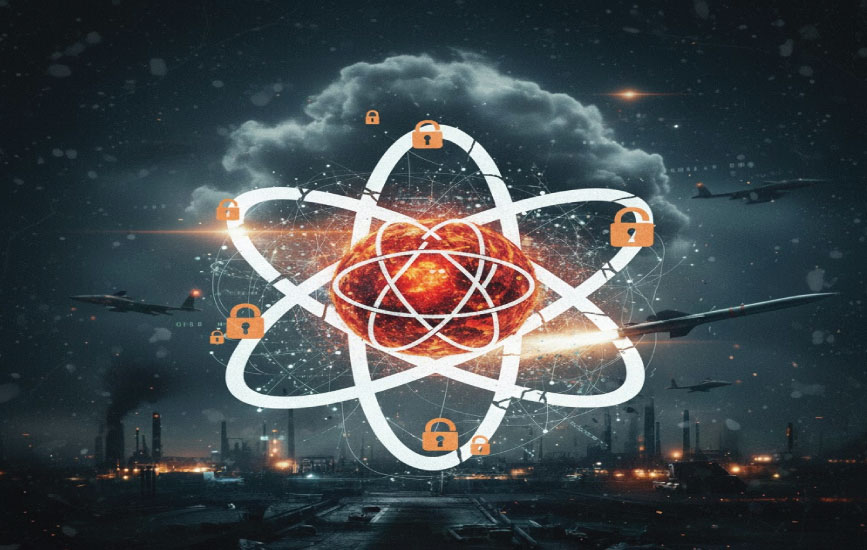
The proliferation hazards and the illegal use of nuclear material and related technology have long been a source of concern. India aspires to play a major role on the regional and global front, while at the state level; it struggles with nuclear security lapses. The recurring incidents of nuclear theft highlight significant flaws in India’s nuclear policy and security mechanisms. This research explores the inconsistency between India’s nuclear regulatory structure and the rules set out by the International Atomic Energy Agency. India’s noncompliance with nuclear security protocols creates a significant danger to the security of South Asia due to the possibility of hazardous material getting into the wrong hands. The privatization of the nuclear sector would further raise the risk of undermining centralized control over nuclear materials and opening possible gaps for illegal entry, diversion, or theft. The provocative nuclear discourse by India further endangers the stability of the region, increasing the chances of miscalculation. India is one of the countries whose nuclear arsenals increased in 2023, with a focus on long-range missiles, such as the recent flight test of ICBM Agni V. SIPRI Yearbook 2024 also views the expanding number and types of nuclear weapons in India as a potential escalation in the region. This research analyses how India’s growing nuclear arsenal, without adequate safety and security measures, would have implications not only for South Asia but also for the entire world