The growing cooperation between the International Atomic Energy Agency and major financial institutions shows a clear shift in global energy governance.
Nuclear energy is no longer seen only as a security risk. It is now linked to climate action, economic stability, and human security. It is also being assessed using environmental and social standards, just like other energy sources.
Does the renewed support of development banks for nuclear energy under the International Atomic Energy Agency mean that nuclear power is becoming a normal part of development finance? And what opportunities does this create for developing countries like Pakistan?
For many years nuclear energy was avoided by development banks as it was seen as risky, expensive, and politically sensitive. This made banks hesitant to finance nuclear projects.
Now there is a shift and institutions are recognizing the importance of nuclear energy. A recent workshop at the International Atomic Energy Agency headquarters in Vienna brought together the World Bank, Asian Development Bank, European Bank for Reconstruction and Development, OPEC Fund, and other institutions. The meeting was not just symbolic. The discussions focused on real issues. These included managing nuclear waste, preparing for emergencies, following international safety rules, planning small modular reactors, and strengthening national laws on safety. These are exactly the conditions banks need before they provide financial support.
The Vienna workshop may be remembered as a turning point. Nuclear energy is returning to mainstream development thinking. It is no longer an exception. It is a practical option with clear rules, standards, and expertise.
The World Bank’s decision to re-engage with nuclear energy after decades is very important. It shows that ignoring nuclear energy no longer fits global climate goals. Other banks are following the same path, which makes nuclear energy a more normal part of international development planning.
Financial support is also connected to laws and regulations. Countries that adopt international nuclear treaties and strengthen their safety systems are more likely to get support. This approach encourages better governance and safer nuclear programs.
Banks are not only financing reactors. They are supporting feasibility studies, waste management, research reactors, and infrastructure preparation. This approach helps countries build complete nuclear systems while reducing risks for investors.
Why This Matters for Developing Countries:
Developing countries face three main problems together: energy shortages, weak electricity grids, and rising climate risks. Nuclear energy, especially small modular reactors, can address all three.
It can provide reliable electricity for growing populations and work with small or unstable grids. It can support water desalination, industrial use, and hospitals. It can reduce dependence on imported fossil fuels.
Earlier, many developing countries could not consider nuclear energy. High costs and lack of financial support made it impossible. Now, international financial institutions under the guidance of the International Atomic Energy Agency are gradually removing these barriers.
As an example, for Pakistan, this is a major opportunity.
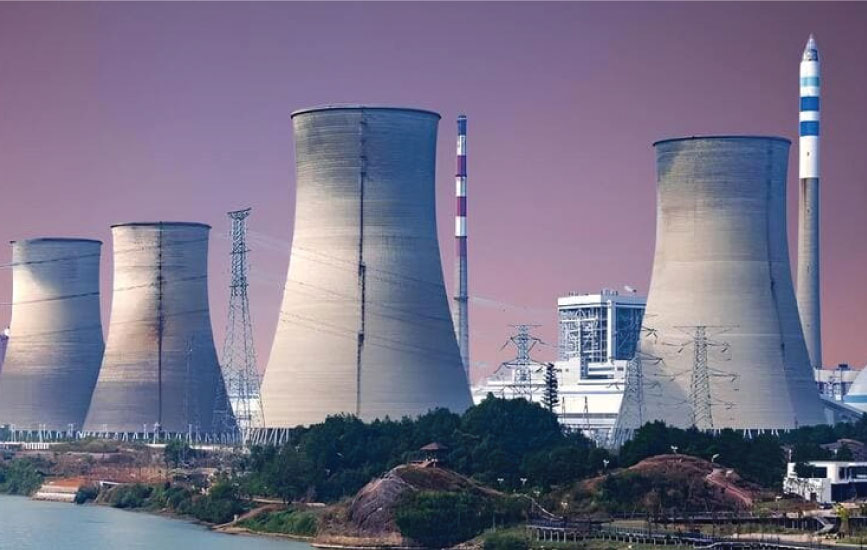
Pakistan is the fifth most populous country in the world. It contributes 1% global greenhouse gas emissions yet faces extreme impacts of climate change. Recent floods submerged one third of the country, killed thousands, destroyed crops and livestock, and caused over $14.8bn of damage. In these conditions reliable electricity is critical for national stability. Pakistan currently has six operating nuclear power plants with 3,620 megawatts of capacity. This is only about nine percent of total installed electricity capacity, but nuclear energy generates more than sixteen percent of the country’s electricity because it provides continuous base-load power.
Pakistan also has over 96 reactor-years of safe operational experience. It is part of international safety networks and follows global safety standards. The country has trained staff and a strong regulatory system. Nuclear waste is managed according to international best practices despite the fact that nuclear energy has not grown as much as it could because of high upfront costs, technology access restrictions, and international limitations.
With the new partnership between the International Atomic Energy Agency and financial institutions, Pakistan now has a chance to change this. Strengthening regulations, improving transparency, and aligning with international standards can help Pakistan access technical and financial cooperation. In this regard Small Modular Reactors are especially promising. They are suitable for smaller grids and remote areas. They can also support water desalination and industrial growth. This will improve Pakistan’s energy security, reduce reliance on fossil fuels, and help meet climate targets.
This global change also shows a broader trend. The International Atomic Energy Agency is no longer just a watchdog. It is becoming a bridge between technical expertise and financial support. Its guidance helps countries and banks work together safely.
Author: Hira Bashir – Associate Research Officer at CISS AJK. She is also pursuing MPHIL in International Relations from Muslim Youth University, Islamabad. Her area of research is The Peaceful Use of Nuclear Technology.