The peaceful use of nuclear technology can play a significant role in Pakistan’s development by improving healthcare, agriculture, food security, environmental protection and energy production.
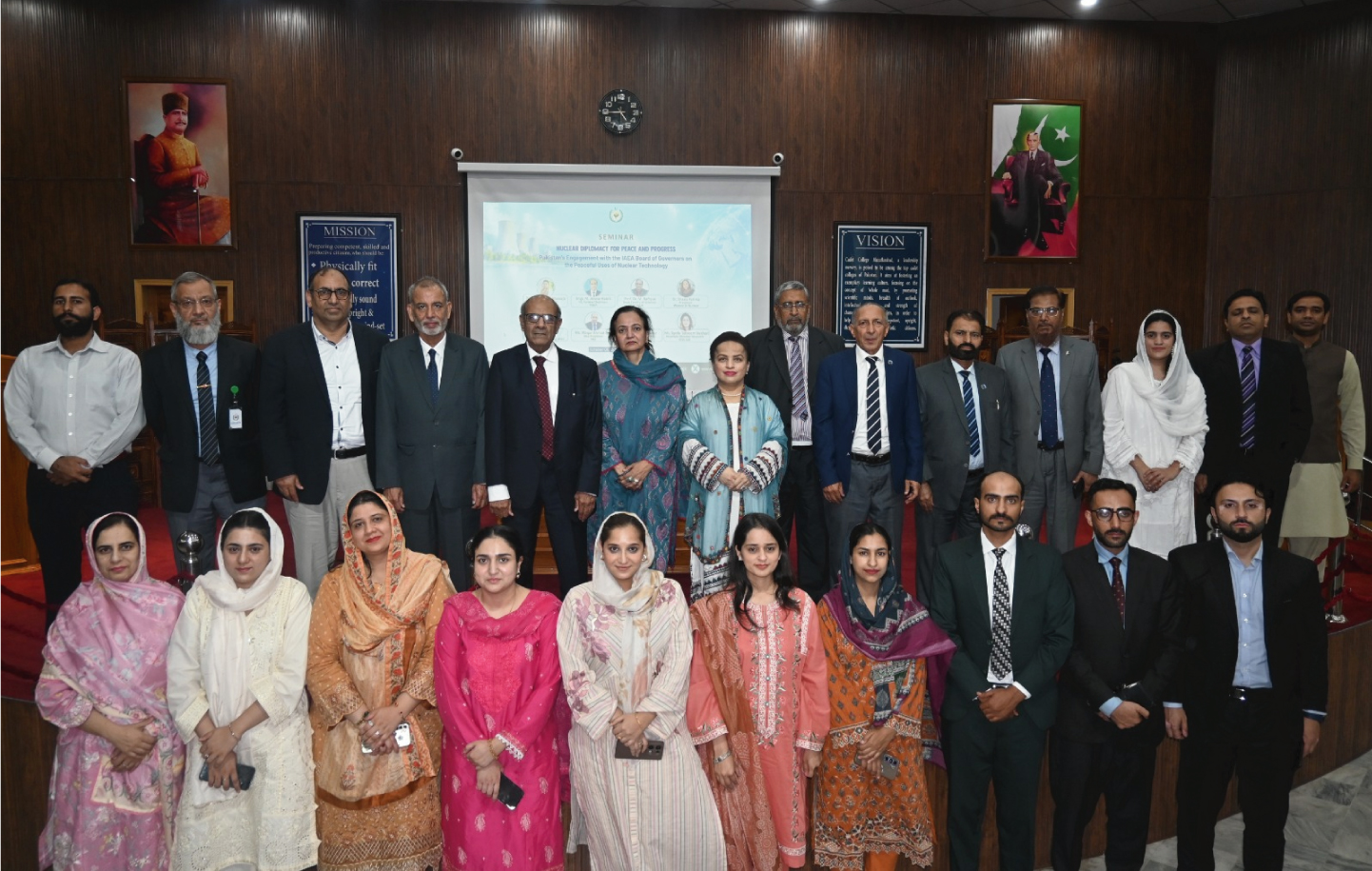
These opportunities were discussed at a seminar organised by the Centre for International Strategic Studies, Azad Jammu and Kashmir (CISS AJK), in Muzaffarabad on October 6, 2026. Titled “Nuclear Diplomacy for Peace and Progress: Pakistan’s Engagement with the IAEA Board of Governors on the Peaceful Uses of Nuclear Technology,” the seminar brought together scientists, academics, regulatory experts and professionals.
Engineer Muhammad Anwar Habib, former chairman of the Pakistan Nuclear Regulatory Authority (PNRA), highlighted the importance of nuclear safety, security, effective regulation and institutional accountability. He also discussed Pakistan’s engagement with the International Atomic Energy Agency (IAEA).
Professor Dr Muhammad Rafiq, Dean of the Faculty of Sciences at the University of Azad Jammu and Kashmir, explained how nuclear science can contribute to the United Nations Sustainable Development Goals, particularly in healthcare, agriculture, energy and scientific research.
Waqar Ahmed Butt, Vice President of the Pakistan Nuclear Society, discussed nuclear technology’s applications in agriculture, food security, industry and environmental protection. He highlighted its potential to radiation awareness, protective measures and the responsible handling of radioactive materials. Participants also discussed the need for strong regulatory oversight, emergency preparedness and effective nuclear safety and security arrangements.
The seminar highlighted Pakistan’s engagement with the IAEA as an opportunity to strengthen international scientific cooperation, share technical knowledge and expand the peaceful applications of nuclear technology.
Speakers stressed that sustained investment in research, education, infrastructure and institutional capacity is essential to translate scientific progress into practical benefits for the public.
The event concluded with an interactive question-and-answer session and the presentation of commemorative souvenirs to the speakers.