Abstract
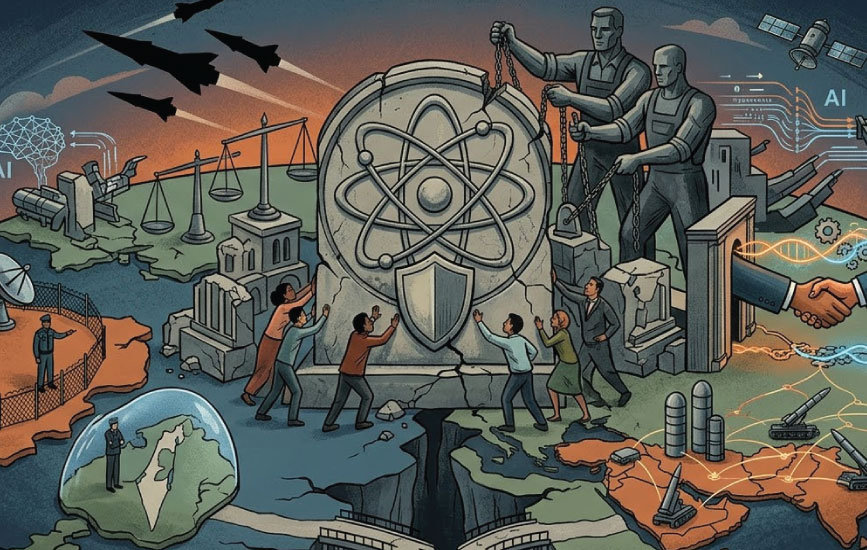
This research paper critically examines the nature of discrimination in the present day arms control and non- proliferation regimes with special focus on the Nuclear Non- Proliferation Treaty (NPT) framework. The paper will focus on how selective application, institutional biases and double standards have compromised the effectiveness and credibility of the global non-proliferation program. This paper highlights how influential states have used arms control mechanisms to promote their own strategic interests to the disadvantage of others through detailed case studies of discriminatory practices such as the difference between how Israel and Iran and Iraq were treated; the contentious Indo-US Nuclear Deal. As the analysis found, the existing regimes, which are mostly the fruit of Cold War processes, are insufficient to combat modern security issues, such as new technologies like hypersonic weapons, artificial intelligence-based weapon systems, and militarization of space. The paper suggests that such discriminatory actions have only led to regional arms races especially in South Asia and the Middle East, and have destroyed international confidence in multilateral disarmament, despite the important efforts to that end. The study finds that the problem requires significant changes in its core to overcome institutional biases, make enforcement fairer, and keep up with the realities of the 21st century security environment. Devoid of these reforms, arms control regimes are at risk of becoming irrelevant and this is likely to bring about rampant proliferation as well as strategic instability. The paper will add to the existing discussions on the future of arms control to present evidence-based suggestions on how more inclusive, equitable, and effective non-proliferation mechanisms can be developed.