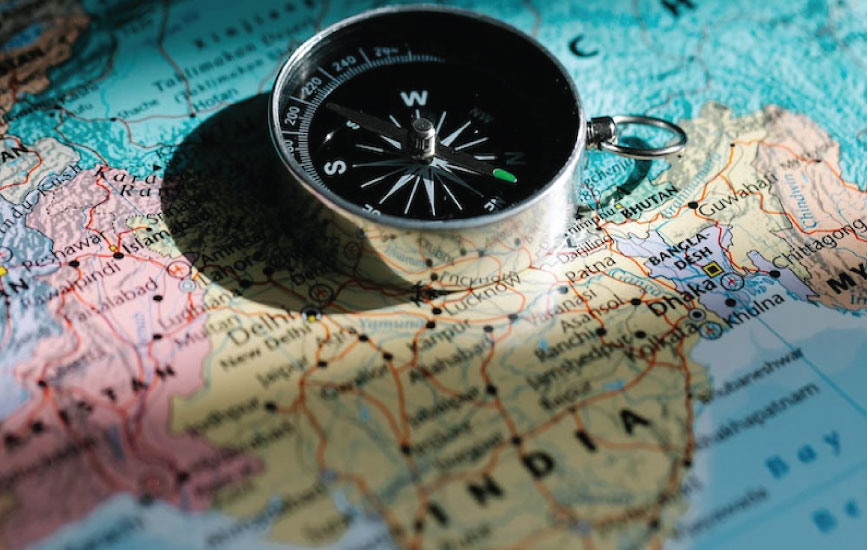
The World Bank has recognized South Asian region as important entity in the global south. Over the past 20 years, South Asia has achieved robust economic growth (Bangladesh GDP value about 4.2, Sri-Lanka GDP value about 5.0, Maldives GDP value about 5.1, India GDP value about 6.5, Nepal GDP value about 3.7, Bhutan’s GDP value about 4.9, Pakistan’s GDP value about 3.2) based on the latest records. Overall, this has helped in reducing poverty, but it is pity to say that 36% of world’s poor still reside in South Asia.
The people of South Asia had been a victim of colonial rule for centuries which ultimately led to the region’s poverty crisis. Moreover, it created the states of Pakistan and India that had never possessed pleasant relations with each other. The regional cooperation had been greatly effected by their contradicting relations and it has left less space for other states to cooperate and work on their developmental goals. Sustaining high economic growth is the need of region. However, just these measures singlehandedly will not reduce poverty. Peace and stability is necessary for South Asian countries if they want to achieve economic development.
New platforms should be introduced, new coordinating strategies, people to people diplomacy should be enhanced followed by cultural exchange so that more and more trust can be built among the states which can lead up to a more promising South Asia future in terms of political and geopolitical landscape.