

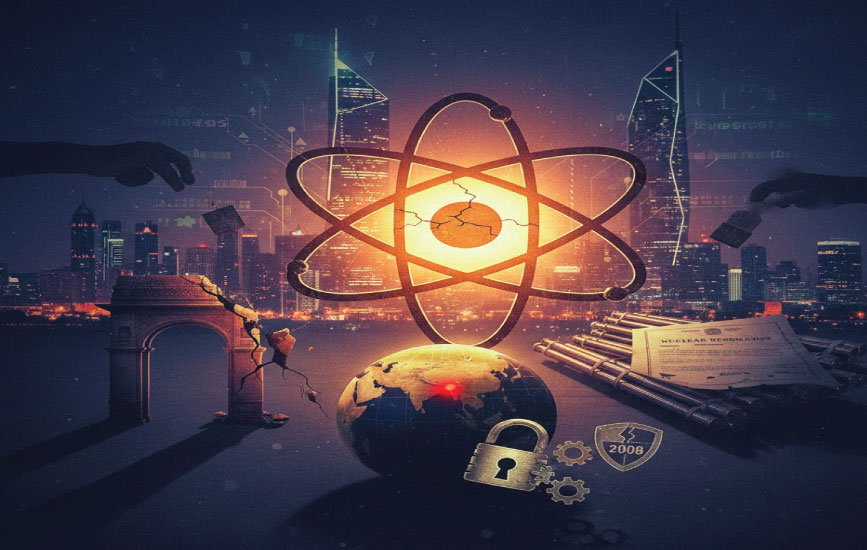
India’s expanding nuclear ambitions are evident in the recent 2.8 billion dollar uranium supply deal concluded with Canada. Yet questions persist about the country’s safety culture, even as New Delhi pursues international legitimacy and benefits from strategic exemptions like the 2008 Nuclear Suppliers Group (NSG) waiver. A steady trickle of nuclear-material thefts and trafficking cases has fueled concern that a black market is taking root, an alarming lapse that threatens international peace, regional stability, and confidence in global nonproliferation norms. The privatization of the nuclear sector would further raise the risk of undermining centralized control over nuclear materials and opening possible gaps for illegal entry, diversion, or theft. Considering India’s poor nuclear safety record, this policy change is alarming.
A chronology compiled by the South Asia Strategic Stability Institute (SASSI) lists 18 incidents between 1994 and 2021 involving theft or loss of more than 200 kilograms of nuclear material in India. Allegations and rumors predate that period: by the late 1980s and 1990s, outside assessments suggested the risks were rising. Around that time, U.S. intelligence assessed that India was pursuing a more advanced thermonuclear capability, and in 1994 Lithuanian authorities intercepted a $24 million shipment of beryllium bound for an undisclosed buyer speculated in press accounts to be North Korean or Indian. From early uranium smuggling cases to more recent seizures involving californium, the pattern points to systemic gaps in security and control.