

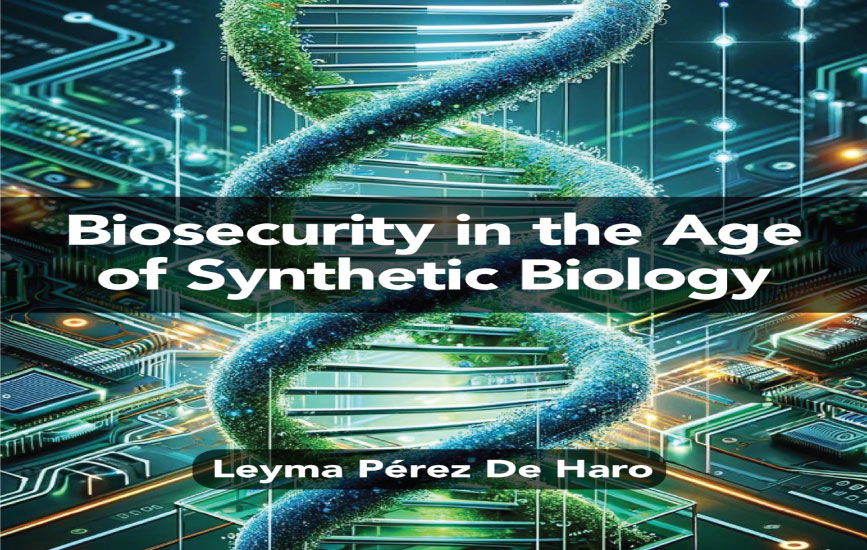
Synthetic biology is a field that continues to develop quickly and that has introduced unprecedented developments in medicine, agriculture, environmental sustainability, and biotechnology among others. These innovations have also created a growing range of safety risks, however, biosecurity threats have significantly increased the number of associated ethical, legal and governance challenges. Leyma Perez De Haro, in Biosecurity in the Age of Synthetic Biology, offers a timely and comprehensive investigation into these issues and is one of the first specific books on synthetic biology to incorporate biosecurity and its governance. The volume does well to connect science and policy, and will serve as a resource for scientists, policymakers, biosafety practitioners, and international security scholars.
The book comprises of thirteen chapters that logically build up a broad knowledge of biosecurity within the emerging biotechnology arena. The first chapter sets the context for the need to embrace biosecurity in synthetic biology: there is an urgent need for a governance mechanism for synthetic biology to keep pace with the rapid evolution of biological capabilities. The second chapter explores biomedicine and some of the new possibilities afforded by synthetic biology, illustrating both the impact of such innovations in the biomedical field and the accountability that comes with them.
The third chapter reviews the wide range of biosecurity concerns with synthetic biology, such as inadvertent misuse of synthetic biology, intentional malicious applications, and dual use research issues. The most useful aspect of the discussion is that you take it away from the theoretical onion and into the practical world of recognising and isolating the biological threats.
The next chapter examines the contribution of artificial intelligence to synthetic biology considering the increasing impact of digital technologies on the field. De Haro details the ways in which AI drives the acceleration of the biological design, automation of labs, and analysis of data, and can also reduce technical barriers to misuse. The author does not solely focus on the challenges of AI, but also provides a balanced evaluation highlighting responsible governance and the need for risk mitigation.
The global regulatory frameworks and international policies in chapters five and six, as well as the ethical aspects of synthetic biology are addressed. Author reviews the current system of governance and urges for adaptive regulations that can meet the needs of constantly changing technologies. These chapters make a strong point that technological innovation can’t be divorced from ethical, transparent and international cooperative concerns.
The action-oriented text of the book can be seen especially in chapters 7-11. This topic of biorisk management provides systematic methods in identification and management of biological risk in research areas. The inclusion of a detailed description of how to establish a Synthetic Biology Laboratory Biosecurity Manual is a unique feature of the book, and will give institutions important practical tips about how to establish a biosecurity manual. The chapter on human factors is also important, as it highlights that biosecurity measures are not purely technical but also involve organizational culture, leadership, education and responsibility regarding scientific behaviour. The chapters that follow show how biosecurity measures can be adopted and integrated as part of a biosecurity risk assessment under various institutional contexts and one of the first structured protocol for conducting biosecurity risk assessment specifically tailored for synthetic biology.
The last chapters expand the analysis to include responsible action within biomedical synthetic biology and coming challenges that are sure to appear as the field progresses. De Haro finally asks for proactive governance, ongoing cooperation among nations and continued investments in capacity building in order to maintain alignment with the global security agenda.
A major selling point of the book is the integration of science, policy, ethics and practical application. The book doesn’t stop at ideas – it offers practical steps and strategies, such as comprehensive risk assessment techniques and institutional biosecurity planning. This practical focus sets it apart from other books in circulation that concentrate on theoretical and/or regulatory analysis.
The discussion about Artificial Intelligence is another important contribution. The author critically examines the transformative promise of AI for biological research, including predictive biological design, automated experimentation, and computational modeling and highlights its security implications. This balanced perspective is characteristic of one of the greatest biosecurity challenges of the 21st century.
The book does not focus on the Biological Weapons Convention (BWC), but the arguments presented in it do dovetail very nicely with current strategic endeavours to enhance the international governance of biosecurity. This focus on responsible science, risk analysis, institutional control and international collaboration is in good accord with wider goals of preventing the mis-use of biological research. Thus, this volume will prove useful to those who are studying new technologies from a wider arms control and global security perspective.
The research also has specific significance in the field of strategic studies, as it highlights the role played by biotechnology in security in recent years. Biological innovation holds new challenges for governance, especially in the realm of national security and strategic stability as synthetic biology evolves and technologies for DNA synthesis continue to drop in cost. The author makes a strong case for the need for a shift in governance practices for future biosecurity investments that can accommodate technological advancements while at the same time ensuring scientific innovation.
Generally, the book’s weakness is the small amount of discussion about geopolitical competition and the strategic side of biotechnology though it has a few points about the developments of biotechnology among the large biotech firms. For readers interested primarily in issues relating to biodefence strategies, military biotechnology or biological deterrence, development may be less thorough. However its lack does not detract from the scholarly achievement of the book, where the principal aim was to create a new framework of governance for biosecurity and not geopolitics.
So, Biosecurity in the Age of Synthetic Biology is a remarkable contribution to the field of biosecurity today. Leyma Pérez De Haro has managed to weave together science, ethics, regulation, and implementation strategies; the integrated result is formally solid and very useful for policy debates. A timely reminder that in the times where biotechnology more and more impacts world security, responsible innovation has to be the one for which scientific progress is built.
The volume is strongly recommended for researchers, decision makers, biosafety practitioners, public health professionals, scholars in strategic studies and practitioners in biotechnology governance and implementation of the Biological Weapons Convention. With the rapid evolution of synthetic biology still in its early stages, this book offers an essential guide toward biological innovation that is developed responsibly in synergy with biosecurity, good governance, and international collaboration.