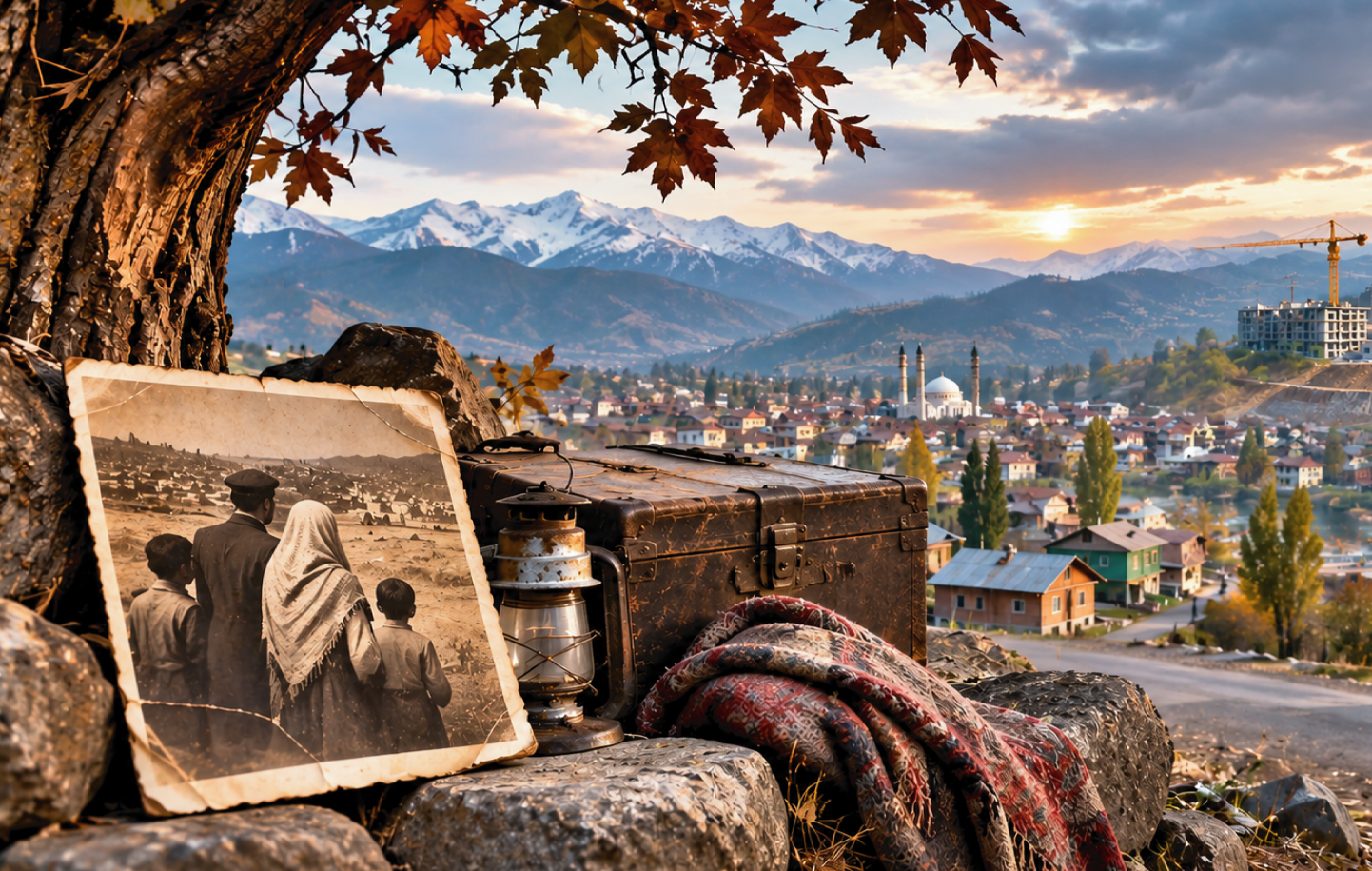
The Jammu Genocide is among the many genocides that have occurred in world history. The genocide was largely perpetrated by the Hindus, along with allied anti-Muslim groups, under the direction of Dogra Maharaja Hari Singh. The main purpose of the genocide was to eradicate the Muslim populace in the Jammu region. But this genocide remains least discussed, least emphasized, and a lot of details of this event are kept hidden by the Hindu authorities. It started with the partition of the subcontinent, and its consequences encompassed the ‘ethnic cleansing’ of the Muslims in the Jammu region.
The worst-ever human massacre was planned, organized, and executed with the full support of Indian rulers and with the active support of Indian state armed forces. Pandit Praim Nath Bazaz noted that the Dogra regime of 1846, which came about under the Treaty of Amritsar, was a Hindu Raj, and all Muslims were treated harshly in various ways just because they were Muslims. The 1947 Poonch uprising, which ultimately led to the Jammu massacre, was not the first instance of resistance against the Dogras; previous uprisings occurred in 1865, 1924, and 1931. Mr. Charles. H. Kennedy noted, about the Massacre in Kathua: 8,000 Muslims were massacred there on October 20, 1947; in Akhnoor, 15,000 Muslims were reportedly done to death, and in Samba on October 22, 1947, 14,000 Muslim victims were killed.
As Hindu and Sikh refugees flooded into Jammu from newly-created Pakistan, tensions escalated, intensified by harrowing stories of violence in the press and arms provided by the state to Dogra troops and the RSS. Several cases of transfer of Muslim officers and police were done by Dogra Maharaja Hari Singh. Muslim citizens and police officials were also asked to hand over their arms, as the Maharaja didn’t want the Muslims to be armed and thus unable to stand against the Maharaja’s troops. The Muslim community was the primary target of this dreadful intercommunal violence; between 250,000 and 300,000 people were killed, and convoys were ambushed, resulting in more massacres and kidnappings.
Muhammad Yusuf Saraf quoted, “An unknown number of Muslim women were abducted from various locations in Jammu, and the vast majority of them were never brought back to their families. In many instances, they were forcefully wed to Hindus and Sikhs, and the victims were raped and taken off to other parts of India. Though the number of such victims remains unknown, it might be more than 25,000; many parents killed their daughters because of the fear of rape.” The Daily Times of London reported, “The organized elimination attempts were brought to the fore as an effort at demographic engineering; this day is considered the most tragic in the history of Jammu and Kashmir, with 3.5 million Kashmiris forced to migrate and the Muslim population in Jammu dropping from 61% to 33%.”
This is the story of how the atrocities of the systematic campaign for the elimination of Muslims took place in Jammu, a dark episode in history, from the eyes of the people who survived the ethnic cleansing. The Jammu killings, however, altered the demography of the region as opposed to the partition of Punjab, where the political aims of the Dogra were to ethnically cleanse out the Muslim population and force them to move to Pakistan. Because of their religious and cultural ties, miserable migrants chose to travel to different regions of Pakistan like Sialkot, Gujrat, Jehlum, etc. Despite limited resources, Pakistan and its people supported these homeless people and did their best to provide them with all that they could.
India, which has tried to cover up this grave sin, continues to be responsible for the tragic consequences in Indian-Illegally Occupied Jammu and Kashmir (IIOJK), where ethnic cleansing of Muslims and their very identity is a key objective.
Demographic engineering and erasing of the identity of the Kashmiri people in Jammu and Kashmir is still ongoing after 79 years. Historically, there has been a desire to eradicate the Muslim population from the region, as evidenced in the 1947 Jammu Genocide, where thousands of Muslims were massacred and displaced. In recent years, similar goals are being achieved by political and legal means, especially after the revocation of Article 370 in 2019. These encompass demographic shift, land policies, environmental degradation, and limitation of Kashmiri language, literature, and cultural heritage.
These measures pose a danger to the socio-political and cultural identity, which is called Kashmiriyat, of Kashmir. The world has to pay tribute to other historical tragedies, but the Jammu Genocide and the sacrifices of the Muslim victims of it cannot be forgotten. Relevant UN resolutions need to be implemented, and the right to self-determination of Kashmiris must be fulfilled through a free and impartial plebiscite conducted under UN auspices to protect the identity of Kashmir and respect the sacrifices of the people of Kashmir.
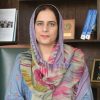
The writer is a Research Officer at the Center for International Strategic Studies Azad Jammu and Kashmir (CISS-AJK).