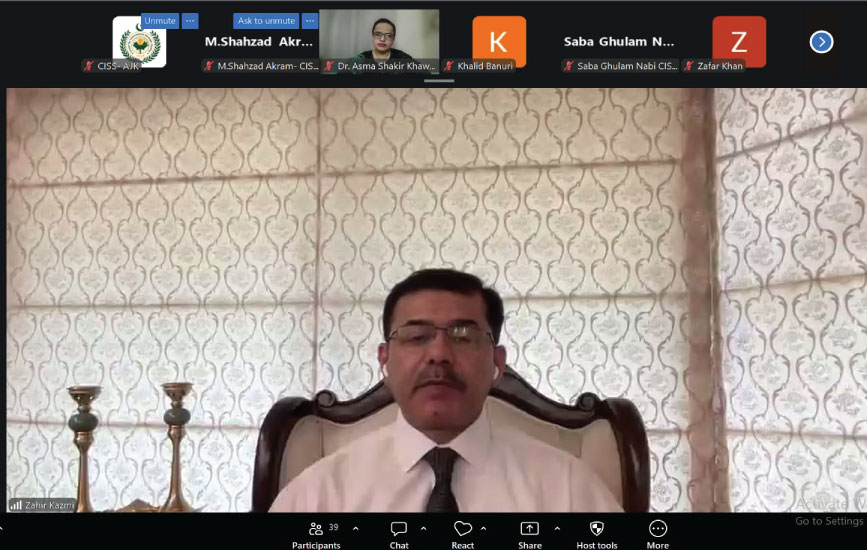
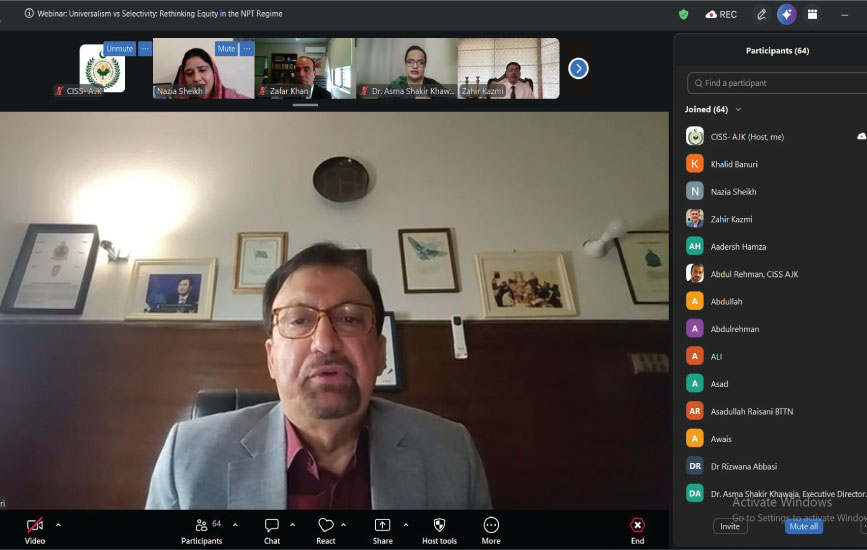
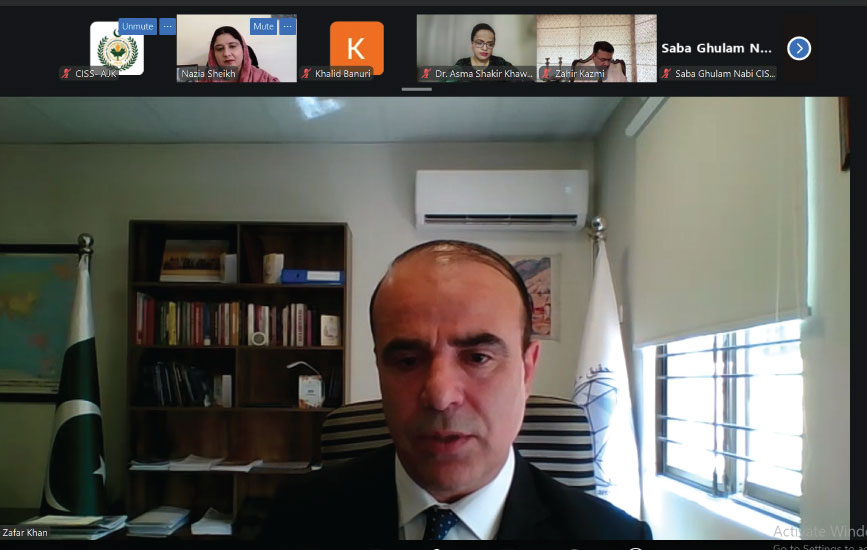
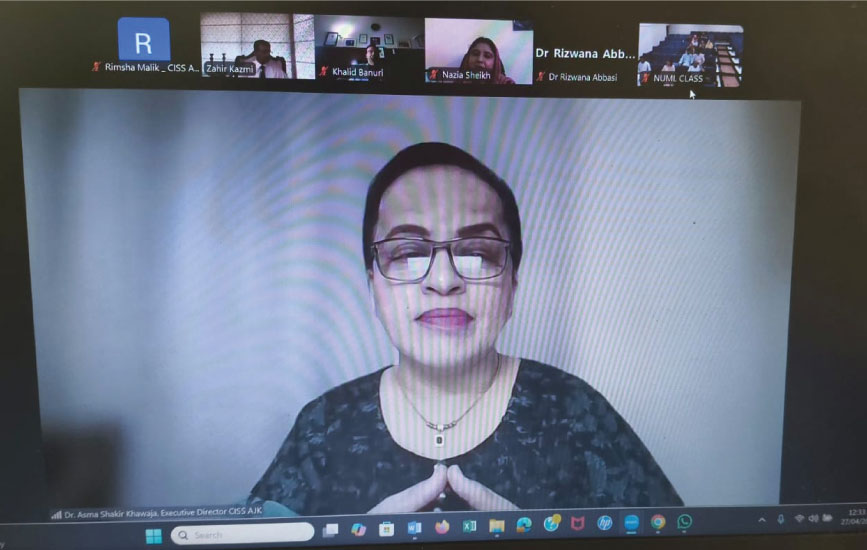

The webinar, titled “Universalism vs. Selectivity: Rethinking Equity in the NPT Regime,” was moderated by Nazia Sheikh. The discussion featured several distinguished speakers examining the tensions between universal non-proliferation norms and selective implementation of the Treaty on the Non-Proliferation of Nuclear Weapons (NPT). Dr. Zahir Kazmi opened the session by analyzing the conceptual and legal foundations of universalism versus selectivity in the NPT framework, highlighting how the treaty’s discriminatory structure and selective enforcement have created legitimacy gaps. Dr. Zafar Khan discussed the disconnect between global disarmament commitments and prevailing strategic realities, noting that major nuclear powers continue to modernize their arsenals rather than disarm. Air Commodore Khalid Banori presented Pakistan’s perspective on equity and non-discrimination, arguing that the NPT’s structural biases and selective application undermine its credibility. Dr. Rizwana Abbasi provided an overview of expectations and policy challenges surrounding the 2026 NPT Review Conference, emphasizing the fragmented diplomatic environment and technological challenges facing the treaty. The speakers collectively highlighted that while the NPT remains relevant, its effectiveness depends on addressing structural inequities, implementing disarmament commitments, and creating a more inclusive non-proliferation framework that recognizes the security realities of all states. Dr. Asma Shakir Khawaja concluded the webinar discussing the topic of “Universalism versus Selectivity, Rethinking Equity in the NPT Regime.” The discussion highlighted the challenges in the implementation of the Nuclear Non-Proliferation Treaty (NPT), particularly regarding its three pillars: non-proliferation, peaceful uses of nuclear energy, and disarmament.