Abstract
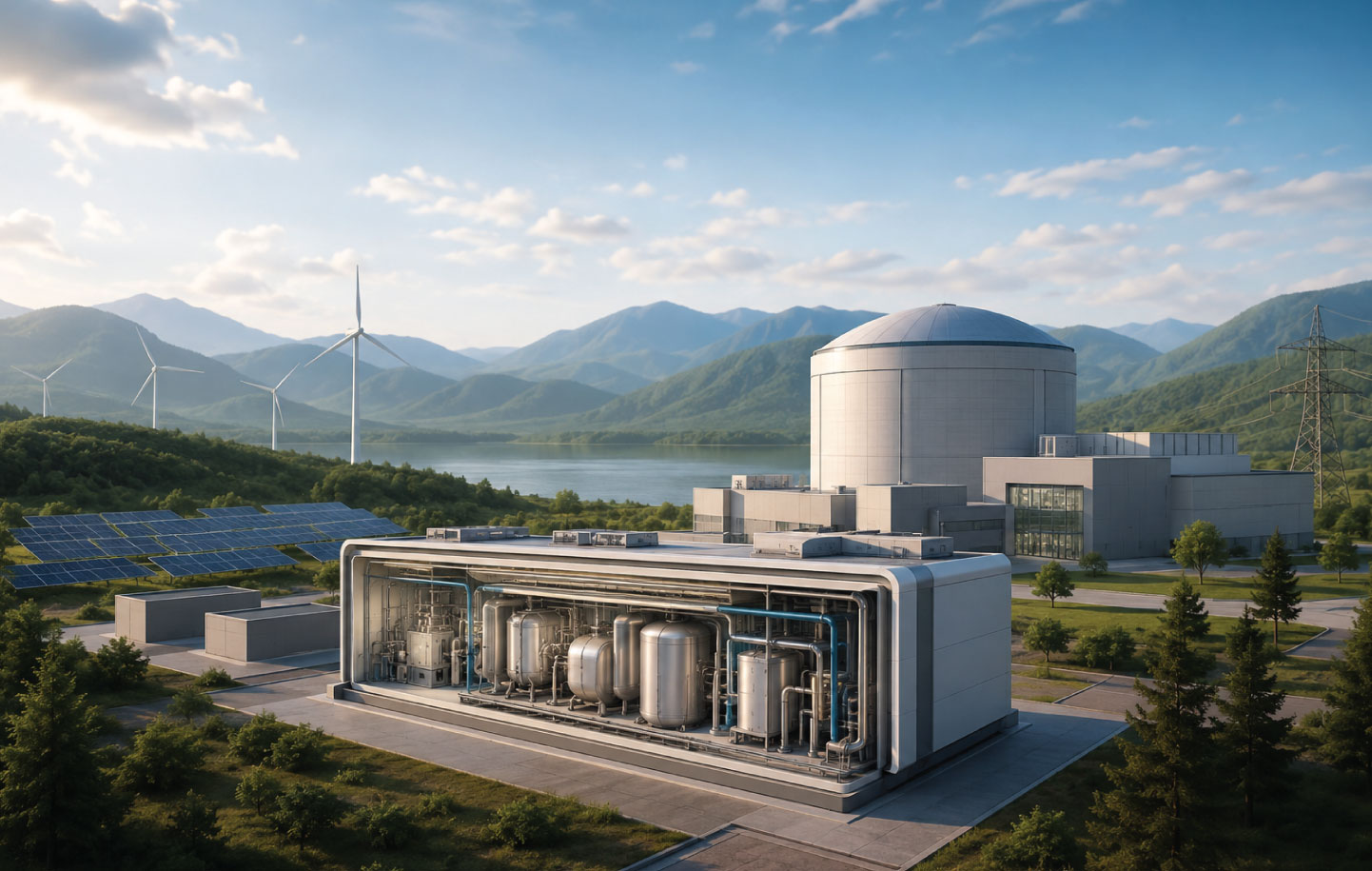
As countries seek reliable and low-carbon energy sources to meet growing electricity demand and climate goals, nuclear energy has regained global attention because of its ability to provide stable, clean, and secure power. However, the high cost, long construction time, and large infrastructure requirements of conventional nuclear power plants have limited their wider adoption. In response, Small Modular Reactors (SMRs) have emerged as a promising alternative offering greater flexibility, lower upfront costs, and the potential to improve energy security. This paper examines whether SMRs can realistically strengthen global energy security over the next two to three decades and identifies the conditions that determine whether countries, particularly developing and energy-import-dependent states can benefit from their deployment. This paper analyzes two connected questions. First, to what extent can SMRs plausibly strengthen global energy security over the next two to three decades? Second, what conditions determine whether a given country is likely to capture the energy security benefits of SMRs rather than inherit new vulnerabilities? It concludes with policy recommendations for countries considering SMR deployment.